
Beyond the Rote: The Awakening of the Indian Education System
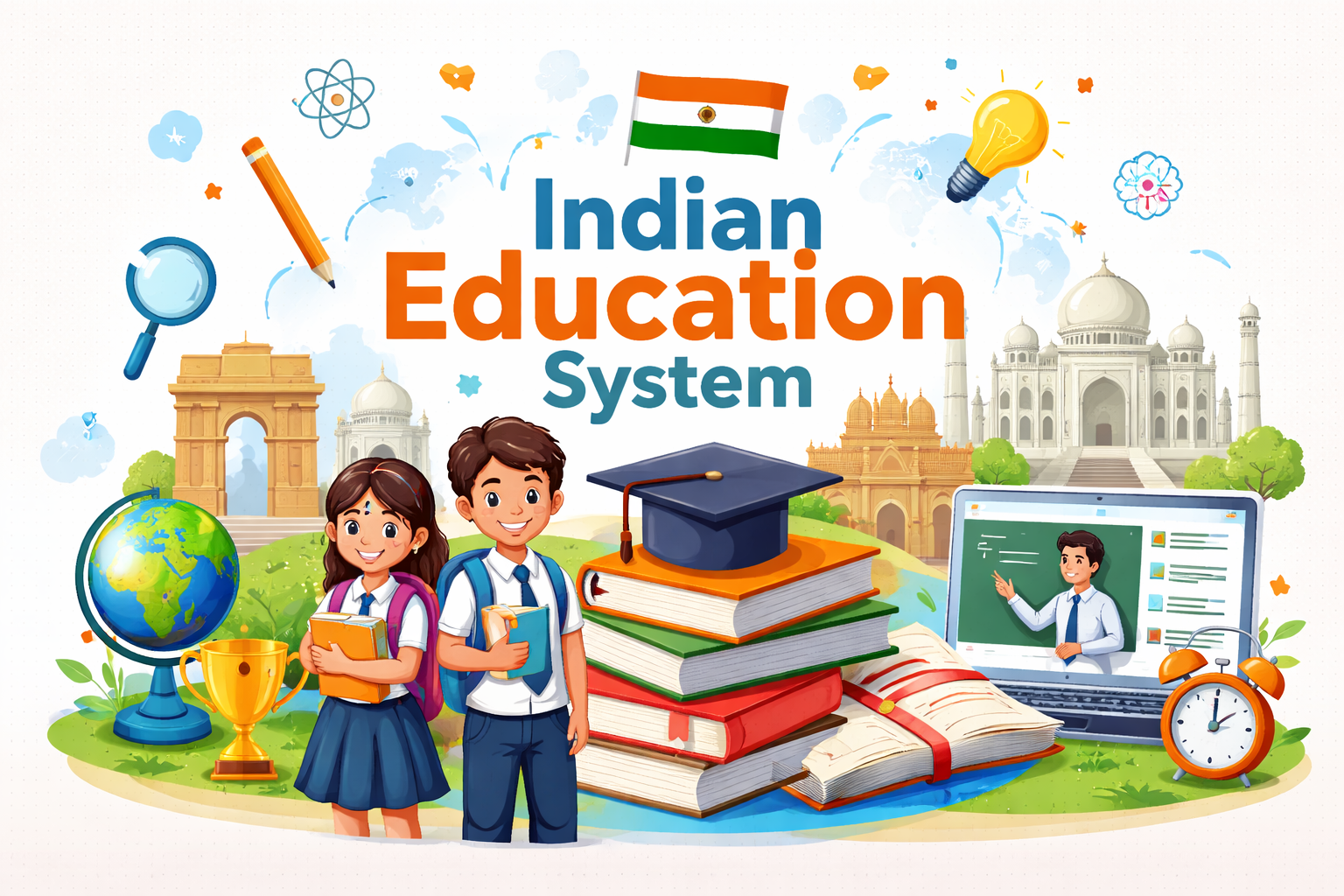
When you think of the Indian education system, a few specific images probably come to mind: heavily laden backpacks, the intense pressure of board exams, and a relentless race for seats in prestigious engineering and medical colleges.For decades, this system has been a paradox. On one hand, it has produced some of the sharpest analytical minds, leading tech giants and research institutions across the globe. On the other, it has often been criticized for functioning as a high-pressure factory, prioritizing rote memorization over genuine comprehension and creativity.But if you look closely at what’s happening right now, you'll see a massive ship slowly changing its course. The Indian education system is in the middle of a fascinating transition.
The Traditional Paradigm: The "Marks" Culture
Historically, the system has been heavily exam-centric. Success was defined by percentages, and subjects like science and mathematics were placed on a pedestal, often at the expense of the arts, humanities, and vocational skills. This created a highly competitive environment—sometimes incredibly resilient, but often detrimental to student mental health and holistic development. The focus was on learning what to think, rather than how to think.
The Game Changer: National Education Policy (NEP) 2020
The most significant catalyst for change in recent years is the National Education Policy (NEP) 2020. It is a bold, ambitious framework designed to overhaul the system from the ground up. Here is what it is trying to change:Flexibility Over Rigidity: Moving away from the strict silos of "Science," "Commerce," and "Arts." If a student wants to study Physics alongside Music, the NEP encourages it.Formative vs. Summative Assessment: Shifting the focus from a single, high-stakes year-end exam to continuous assessment that tests core competencies rather than memorized facts.Vocational Integration: Introducing vocational education early on, recognizing that skills like coding, carpentry, or design are just as vital as traditional academic subjects.
The EdTech Boom and the Digital Divide
We can't talk about Indian education without mentioning the explosion of EdTech. Spurred by the pandemic, digital learning platforms have democratized access to high-quality educators. A student in a Tier-3 city can now learn from top-tier instructors in Bengaluru or Delhi via a smartphone.However, this transition is grounded in a harsh reality: the digital divide. While urban centers thrive on high-speed internet and tablets, thousands of rural schools still struggle with basic infrastructure and reliable electricity. Bridging this gap remains the system's biggest hurdle.
The Road Ahead
The Indian education system is no longer just about mass literacy; it is pivoting towards mass competency. The transition from a syllabus-driven approach to a skill-driven one won't happen overnight. It requires retraining millions of teachers, upgrading thousands of schools, and, most importantly, changing the mindset of parents and society regarding what "success" actually looks like.The cracks in the old system are letting the light in. The future of Indian education isn't just about creating good test-takers anymore—it’s about nurturing problem-solvers, innovators, and adaptable thinkers ready for a rapidly changing world.